Is it Safe to Give a Child Protein Powder?
by Admin
Posted on 15-10-2023 12:25 PM

Protein is an essential macronutrient found throughout the body — in muscle, bone, skin, hair, and elsewhere.
 Protein is also a critical part of the processes that fuel your energy and carry oxygen throughout your body in your blood. Though children need less protein than adults do, everyone should get 10% to 35% of their daily calories from protein. In the
world
of weight loss, protein has been having a moment. According to the npd, the majority of us consumers — 78% — agree that protein contributes to a healthy diet, and more than half of adults say they want more of it in their diets.
Protein is also a critical part of the processes that fuel your energy and carry oxygen throughout your body in your blood. Though children need less protein than adults do, everyone should get 10% to 35% of their daily calories from protein. In the
world
of weight loss, protein has been having a moment. According to the npd, the majority of us consumers — 78% — agree that protein contributes to a healthy diet, and more than half of adults say they want more of it in their diets.
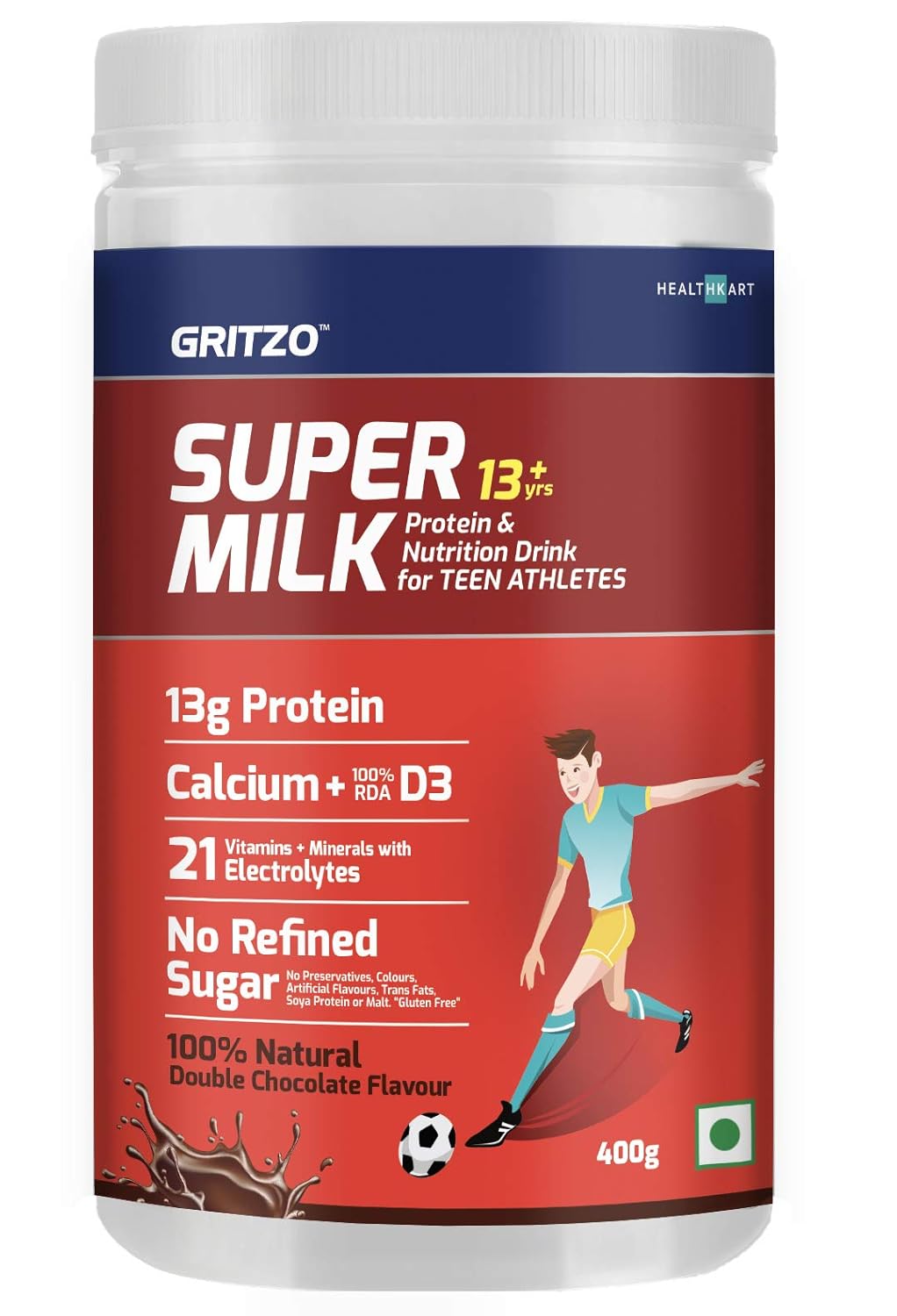
Vibha navarathna, the author of this article, has created this list of the best protein powders for teenagers after scouring hundreds of websites and user reviews. Keeping in mind your child’s safety, these products are shortlisted after in-depth research and product comparisons. Vibha has included those products that are formulated with high-quality ingredients and included a buying guide for your convenience. You can find the necessary information about these products here and choose one that would meet your teenager’s needs.
Some of the links in this blog post are affiliate links, meaning i’ll earn a small commission if you purchase through these links. There’s a good chance your teen athlete is already taking supplements. According to the centers for disease control and prevention (cdc), 34 percent of children and adolescents under 19 use dietary supplements. That number is likely higher among athletes because they believe supplements are essential to their success. As a nutritionist specializing in sports performance nutrition, one of the supplements i get asked about most often by parents and young athletes is protein powder. If your teen athlete is going to supplement, let’s ensure they’re doing it appropriately and safely.
We now know what protein powder is, what it does, and that it is safe. You are now equipped to make a good, informed decision on the subject. Protein powder is great! it’s affordable, convenient, and tastes pretty good but it’s still not something that everyone needs to have. Whether you choose to allow your child (or yourself) to have it or not, there really is no wrong choice. Great progress can be made with it or without it. So, to the young men and women reading this article, go show your parents all you’ve learned about protein powder.
How Much Protein Do Kids Need?
The protein obsession seemed to happen overnight for my teen boys. Suddenly they were studying food labels, putting protein bars on the grocery list, and cooking eggs for breakfast after sets of push-ups and sit-ups. As a dietitian-mom, i had mixed feelings (and a few concerns) about this. It’s common for kids, especially boys, to get fixated on building muscle in their teen years. And between tiktok videos and chatter from friends, they’re hearing lots of messages about how to fuel muscle-building with protein. But not all the messages they’re getting about protein are accurate or healthy. Want to help your teenager fuel the right way? here are the facts you should know about protein for teens.
Verywell family / reese herrington children’s food preferences and eating behaviors can change often. For parents and caregivers, it can be stressful when your child isn’t eating a variety of foods. You may have thought your child would eat a colorful, balanced diet (and maybe they used to), and now you’re amazed that a beige primarily-cracker-based diet manages to keep them on their growth curve. Kids getting enough protein can be a common concern, especially among parents of picky eaters. This may lead many parents to wonder if their child would benefit from drinking protein powders and shakes. Because they’re so readily available, protein supplements may seem safe and reasonable for children, yet studies show that the majority of children meet or even exceed their estimated daily protein needs through diet alone.
The safest and most effective way to provide the body with all the building blocks it needs is through normal foods. Healthy, well-balanced meals and snacks give kids the nutrients they need to do well in sports and during workouts. Besides getting the right number of calories, eating a variety of nutritious foods will help them play at their best — without needing to use creatine. Active, athletic kids and teens need: vitamins and minerals: kids need a variety of vitamins and minerals. Calcium and iron are two important minerals for athletes: protein: protein helps build and repair muscles, and most kids get plenty of it through a balanced diet.